May 17, 2025
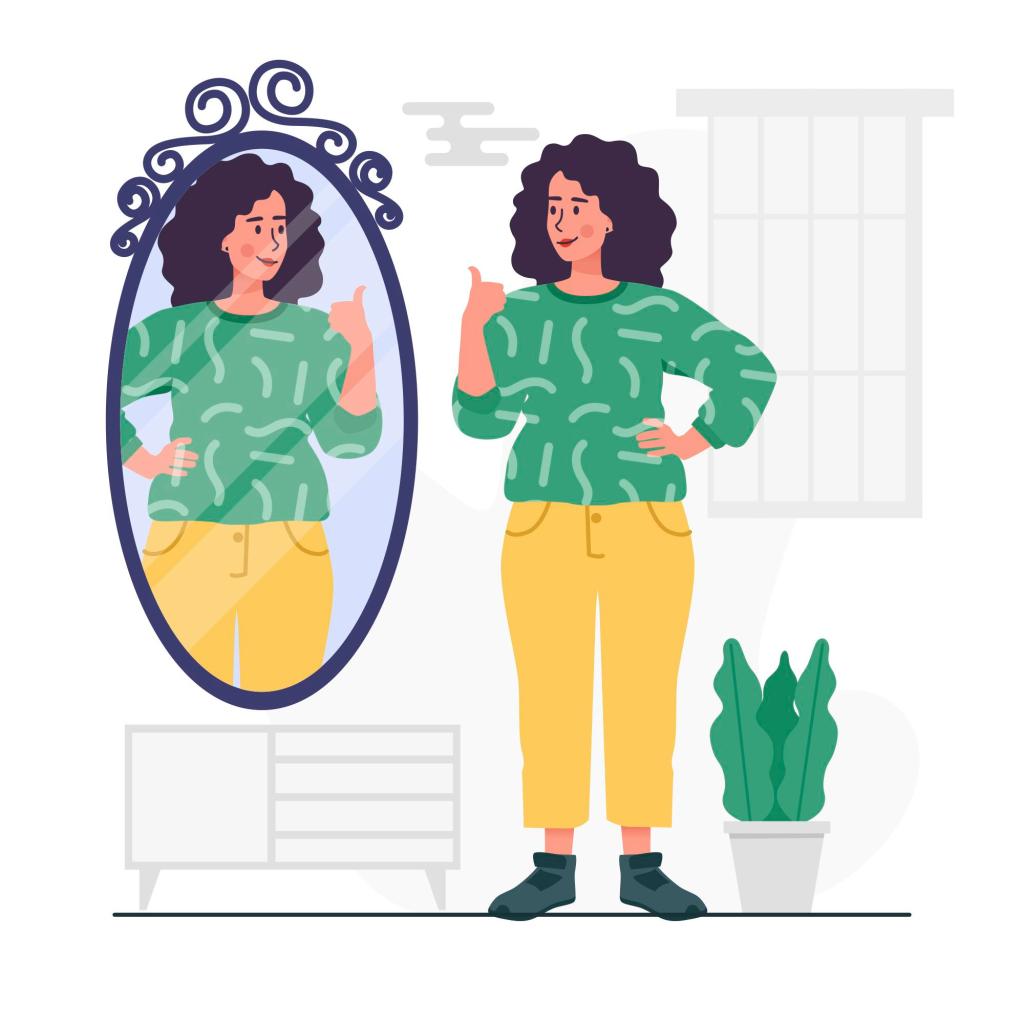
How often do you base your self-esteem on your accomplishments, your social circle, or your looks? How often is your self-esteem go up and down based on circumstances or moods?
As I began researching the topic of self-esteem, I realized that, like many people, I conflated the definitions of self-esteem and self-worth. As I delved into the topic over the last few weeks, I learned that self-esteem and self-worth are not the same. While the two terms are related, self-esteem is more about your perception of yourself, based on external factors and achievements, while self-worth is about your inherent value as a person. I will touch upon self-esteem in this blog. Next week, I will focus on self-worth.
According to Wikipedia, self-esteem is confidence in one’s own worth, abilities, or morals. Self-esteem encompasses beliefs about oneself, as well as emotional states like pride, triumph, happiness, despair, etc.
Licensed clinical mental health counselor Hailey Shafir states that self-esteem describes how you think and feel about yourself, which changes based on mood, circumstance, performance or the approval of others.
Self-esteem involves your thoughts and feelings about yourself, plus your level of confidence, added Shafir. Self-esteem depends heavily on the outer world of people, tasks, and external information used to compare, judge and evaluate yourself.
The concepts of self-worth and self-esteem evolved since their introduction in the 19th century. Psychologist William James introduced the concept of self-esteem when he first linked self-esteem to accomplishments and personal success. Later, psychologist Carl Rogers emphasized self-worth and argued that true self-worth comes from unconditional acceptance of oneself.
People with low self-esteem are less confident and often have more negative thoughts and feelings about themselves. I can relate. Self-esteem can be fragile and fluctuate as it is based on our achievements, social status, or personal traits.
According to an article on The Center: A Place of Hope website, there are key components of self-esteem:
- Competence-based
- Social-based
- Appearance-based
Competence-based self-esteem is linked to skills and success. When individuals excel in specific areas like academics, work, or personal projects, their self-esteem often increases. An example could be a person getting a big promotion or mastering a new skill.
Social-based self-esteem is tied to relationships. This component of self-esteem derives from the quality of relationships with others such as friends, family, and co-workers. Positive interactions can boost a person’s self-esteem. However, social rejection or isolation can diminish it.
Appearance-based self-esteem is influenced by physical appearance. This component of self-esteem relates to how an individual perceives their physical looks and how closely those looks align with social beauty standards. Cultural norms, social media, and media representation significantly shapes and impacts this component.
There are also several characteristics of self-esteem:
- Thoughts and feelings about certain traits or skills
- Temporary boosts in confidence
- Self-judgment and evaluation
- Conditional and contingent upon certain standards
- Value in the external world
- Negative feedback and the stress that can undermine its value
- Ego or false self reflection
- A scarce resource that needs constant renewal
My self-esteem was like the stock market, one day it was up and the next down. As a kid, teenager, particularly my middle school days, I was young and immature. I did not have the social skills to make a lot of friends. I was awkward and often sat alone on the school bus. My self-esteem really started on a roller coaster ride when I started seventh grade. I was quiet and shy. I was a target of bullies. I often developed stomach aches before gym class in middle school. My self-esteem was not high.
As I entered high school, I would look at Teen and Seventeen magazines and see what I perceived to be the beautiful girls. Teen magazine hosted a teen model contest each year. I dreamed that could be me. I knew that I was not tall or beautiful to even compete. You had to be at least five foot, seven inches tall. I am five foot, four inches tall. I took ballet class, actually started on point. I quit after puberty kicked in. I was not the thin and tiny body shape that other girls were in my class. I am not sure if I could have been good. I judged my body harshly.
Self-esteem is more judgmental than self-worth, as it is a by-product of your critical mind, which is the part that is really good at finding and fixing problems. This part of the brain is always looking for new information to use to evaluate and compare you to other people, their expectations or your own expectations, wrote Hailey Shafir.
I am so glad that social media didn’t exist back then. I think I would have been obsessed with Instagram. Media representations and social media often create an unrealistic standard for beauty and success. My self-esteem would be caught up with it. I cannot recall who said it, don’t compare your behind the scenes life with another’s highlight reel. It is not a true comparison. This point is confirmed by other concurring resources.
“Social media platforms, in particular, can fuel comparison and negatively impact self-esteem by showcasing curated, idealized versions of other lives,” according to the Center: A Place for Hope.
Clinical therapists Samantha Gonzalez and Alyssa Acosta led a study at Loma Linda University Behavioral Health. They broke down the impact of social media on the self-perception and mental well-being of young individuals and the challenges that they face in maintaining their own healthy self-image in the digital age.
“Social media platforms are flooded with meticulously curated profiles, showcasing seemingly perfect lives, flawless appearances, and ideal bodies,” Acosta says. “This constant exposure to images of seemingly perfect individuals can lead young people to develop unrealistic expectations about their own appearance and life achievements.”
The negative impacts of social media platforms can lead to distorted representations and comparing oneself to what is online. This can lead to feelings of inadequacy, lowered self-esteem, and even body dysmorphia. Young people are fueled by the need for validation and social approval. The number of “likes, comments, and followers,” has become a measure for self-worth.
Social media and media representations are not the only factors impacting our self-esteem. Childhood experiences play a crucial role in shaping self-esteem. Consistent praise, encouragement, and constructive feedback can foster a healthy self-esteem. In contrast, if an individual grew up with neglect, criticism, or abuse, these factors can damage self-esteem and lead to lifelong securities.
Cultural and societal expectation play a role as well. Different cultures place varying levels on the importance of individual success, social standing, and physical appearance. Societal pressures of academic achievement, college choice, career choice, career achievements, social status, and beauty ideals significantly affect self-esteem.
Self-esteem affects many areas of life: emotional health, relationships, and personal achievements. When we have a healthy self-esteem, we are more likely to take risks and pursue goals. We can be better equipped to face and handle set-backs and bounce back from failures. When we have healthy self-esteem, it can foster positive relationships and effective communication. That is a win-win in my book.
On the other hand, low self-esteem can cause emotional instability. We may rely on external validation and this can cause emotional highs and lows. Low self-esteem may result in social withdrawal or an avoidance of social events. From my experience, low self-esteem has led to life-long social anxiety. If I go to this event, will have anyone to talk to? Will I be a “wall flower?” standing by the buffet? As someone who has experienced low self-esteem that has been persistent at points in my life, it can indeed lead to depression, generalized anxiety, and feelings of worthlessness.
Steps to take to improve self-esteem:
- Be kind and increase self-compassion
- Separate what you do from who you are
- Stop looking outside yourself for validation
- Stop competing, start connecting
- Develop a more positive mindset
These steps will not be easy, however, they’ll be well worth it.
“Wanting to be someone else is a waste of the person you are.” –Marilyn Monroe
Resources:
Image retrieved on 5/16/2025 from https://www.freepik.com/free-vector/high-self-esteem-illustration_10684322.htm#fromView=keyword&page=1&position=11&uuid=8de2c781-1298-4147-a9f8-39ef0349968b&query=Self+Esteem
The Center: A Place of Hope. “Self-Worth vs. Self-Esteem: Understanding the Key Differences.” Retrieved on 5/5/2025 from Self-Worth vs. Self-Esteem: Understanding the Key Differences
Hibbert, Christina.”Self-Esteem vs. Self-Worth: Q & A with Dr. Christian Hibbert.” Retrieved on 5/5/2025 from Self-Esteem vs. Self-Worth: Q & A w/ Dr. Christina Hibbert | Dr. Christina Hibbert
Mong, Victor. “7 Habits Most People Don’t Realize are driven by Shame.” Medium.com. 4/1/2025. Retrieved on 5/15/2025 from https://victormong.medium.com/7-habits-most-people-dont-realize-are-driven-by-shame-66c2f41388f2
Shafir, Hailey, LCMHCS. “Self-Worth Vs. Self-Esteem: Understanding the Differences.” Choosingtherapy.com 9/29/2023. Retrieved on 5/13/2025 from https://www.choosingtherapy.com/self-worth-vs-self-esteem/
Smith, Molly. “The impacts of social media on youth self-image.” 5/16/2023. Retrieved on 5/16/2025 from https://news.llu.edu/health-wellness/impacts-of-social-media-youth-self-image#
 Curious and Creative
Leave a comment