November 19, 2025
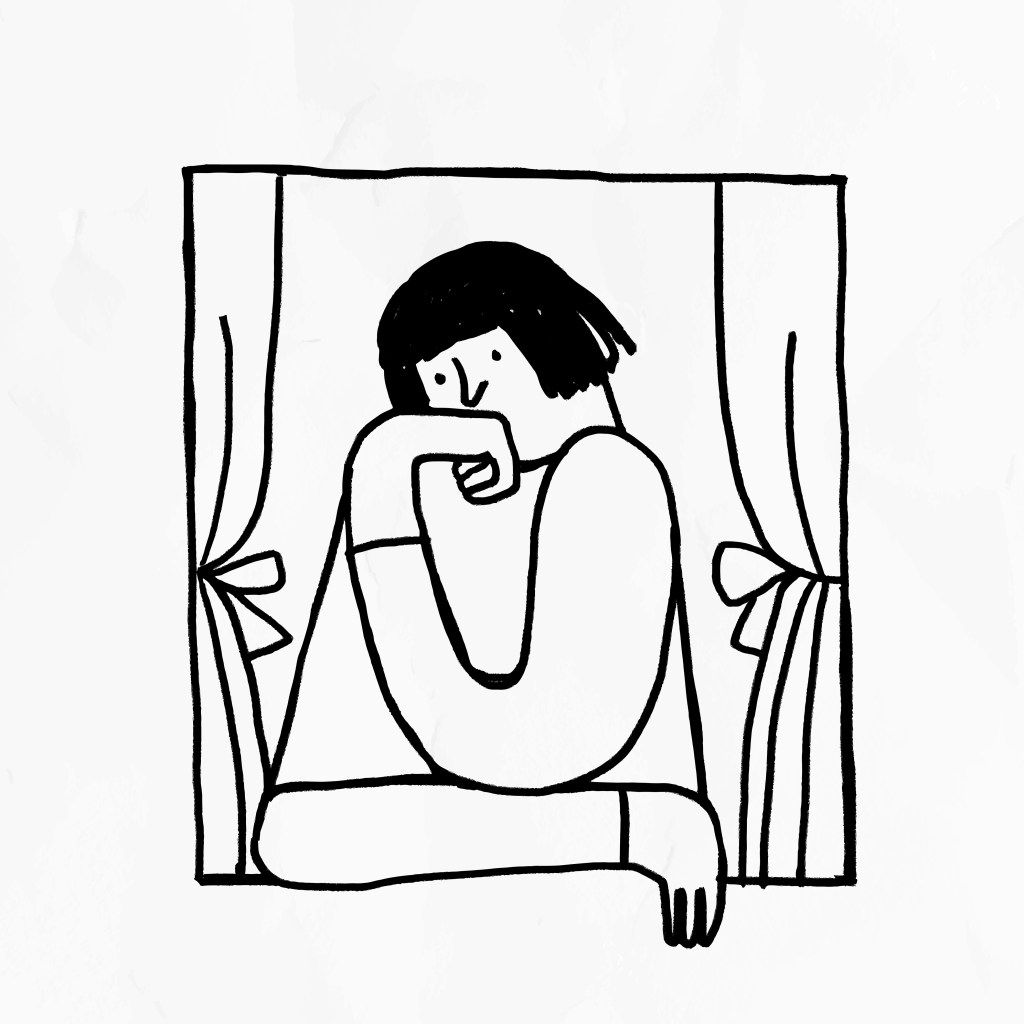
Have you ever felt lonely and lost in a room full of people?
You do not have to be alone to feel lonely. Our modern life is designed for isolation. Yet, loneliness harms our bodies not just our minds according to the U.S. Surgeon General.
The effect and mortality impact of being socially disconnected is similar to that caused by smoking up to 15 cigarettes a day, noted U.S. Surgeon General Vivek Murthy. Additionally, this is greater than that associated with obesity and physical inactivity.
Murthy first put the spotlight on the loneliness epidemic back in the spring of 2023. He reported that during his first listening tour of the U.S., he began hearing stories that they felt isolated, invisible and insignificant. But even they could not put their finger on the word, “lonely.”
How does the Surgeon General define loneliness? Loneliness is described as a state of mind: “a subjective distressing experience that results from perceived isolation or inadequate meaningful connections, where inadequate refers to the discrepancy or unmet need between an individual’s preferred and actual experience.”
“Loneliness is not about being alone. It is about feeling unseen,” wrote Whitney Coulson, LCSW. Adding, loneliness is about our needs for connection not being met. We feel we are not being met, unseen, unheard, or unimportant to anyone in a meaningful way, noted Coulson.
Loneliness has become such an important topic, that between 2021-2024, Harvard University Graduate School of Education conducted the study “Making Care Common.” Researchers investigated the underlying causes of loneliness and in May 2024, they conducted a national survey with the company YouGov to find out what Americans had to say about the problem.
Who is lonely? It might not be what you would expect, according to a 2024 Harvard University Study:
- People between 30-44 years of age were the loneliest group — 29% of people in this age range said they were “frequently” or “always” lonely.
- Among 18–29-year-olds — the rate was 24%.
- For 45–64-year-olds, the rate was 20%.
- Adults aged sixty-five and older reported the lowest rate: 10% felt lonely.
- There were no real gender differences found, nor political ideology, race, or ethnicity. Yet, adults with more than one racial identity had much higher levels of loneliness: 42 percent of multiracial survey respondents reported they were lonely.
- Interestingly, there were notable differences between income, but not education levels. Twenty-nine percent of Americans earning less than $30,000 were the loneliest. Nineteen percent of those earning between $50,000 to $100,000, and 18 percent of those making $100,000 or more reported that they were lonely.
According to Psychology Today, half of U.S. adults reporting feeling lonely. Not just in the United States, 1 in 6 adults globally experience loneliness, with significant health impacts, including an estimated 871 hundred thousand deaths annually due to loneliness related issues.
Did you know that chronic loneliness increases the risk of premature death by 29 percent? It is associated with higher rates of heart disease, stroke, and dementia. In a sense, loneliness can lead to broken heartedness.
The U.S. Surgeon General’s Advisory, “Our Epidemic of Loneliness and Isolation 2023,” pointed out that we feel the impact of this loss of social connection. It can be felt in our schools, workplaces, and civic organization, where performance, productivity, and engagement are diminished.
What has contributed to this epidemic of loneliness? Experts point out that several societal changes have worsened the feelings of loneliness.
- Digital age-Technology may offer connectivity but lacks depth of face-to-face interactions: 73 percent of those surveyed said that technology contributed to loneliness.
- COVID-19 Pandemic: The pandemic intensified feelings of disconnection and exacerbating mental health challenges.
- Societal division-increased societal division has been linked to higher levels of loneliness: Many adults are feeling emotionally strained and isolated.
- Insufficient time with family: 66 percent survey participants as the reason for loneliness.
- Mental health challenges affecting or harming relationships with others: 60 percent of people who responded to survey rated this as a significant problem.
- Living in a society that is too individualistic: 58 percent of people named this as a cause for loneliness.
- No religious or spiritual life: too much focus on one’s own feelings, changing nature of work. Around 50 percent of people who participated in the Harvard survey perceived this as a cause.
Experts have described loneliness epidemic as complex and multifaceted. As I began my research, I learned that social isolation is not the same as loneliness.
Harvard research data included anecdotal data. A person said there were plenty of family members around, but not feeling appreciated by them made them feel lonely. Another person reported, “I was surrounded by several people who are present only in my life because I am useful to them.”
The Harvard researchers found a strong correlation between loneliness and mental health concerns. Eighty-one percent who reported being lonely said they suffered with anxiety or depression, compared to twenty-nine percent of those who less lonely. Troubled feelings, loneliness, anxiety, and depression all feed into each other noted the researchers.
Caulson, pointed out in her Psychology Today commentary that as people we have traded community for convenience, and connection for efficiency.
“Friendships have been replaced by group chats that start with memes and end in silence,” said Caulson.
What does loneliness look like? Loneliness is treated by our bodies as danger notes several experts.
When connection breaks down, noted Caulson, our nervous system shifts into preservation mode-fight, flight or freeze. Cortisol increases, sleep worsens, blood pressure rises and then over time our risks for dementia, heart disease and early death increases if chronic loneliness is not tackled.
In therapy or counseling, it may sound like “I am so tired,” “I feel disconnected,” or “I’m busy all the time, but empty.” In everyday life, loneliness may show up as irritability, workaholicism, or an inability to rest.
How do we fix it? How do we tackle loneliness? Three quarters of the people surveyed by Harvard University researchers highlighted the following solutions:
- Reach out to family and friends
- Learn to love myself
- Learn to be more forgiving of others
- Find ways to help others.
- More activities and fun community events
- Public spaces that are more accessible and connection focused like green spaces and playgrounds.
Harvard’s “Making Caring Common” researchers reported that “Collective service can provide important connections that relieve loneliness,” they state, as well as “cultivate meaning and purpose and mitigate mental health challenges.”
As I noted, loneliness is more than social isolation. Caulson points out that we need to relearn how to belong.
Over the next few blogs posts, I am going to explore and share more about loneliness. Have you felt lonely? I have.
Resources:
Image retrieved on 11/18/2025 from <a href=”https://www.freepik.com/free-vector/woman-getting-bored-coronavirus-quarantine-element-vector_24382767.htm”>Image by rawpixel.com on Freepik</a>
Coulson, LCSW, Whitney. “The Loneliness Epidemic is Worse Than You Think.” 11/7/2025.
Murthy, Vivek H. 19th and 21st Surgeon General of the United States. “Our Epidemic of Loneliness and Isolation 2023.” Retrieved on 11/18/2025 from https://www.hhs.gov/sites/default/files/surgeon-general-social-connection-advisory.pdf
Ross, Elizabeth M. “What is Causing Our Epidemic of Loneliness and How Can We Fix It?” 10/25/ 2024. Harvard Graduate School of Education. Retrieved on 11/18/2025 from https://www.gse.harvard.edu/ideas/usable-knowledge/24/10/what-causing-our-epidemic-loneliness-and-how-can-we-fix-it
 Curious and Creative
Leave a comment