April 4, 2025
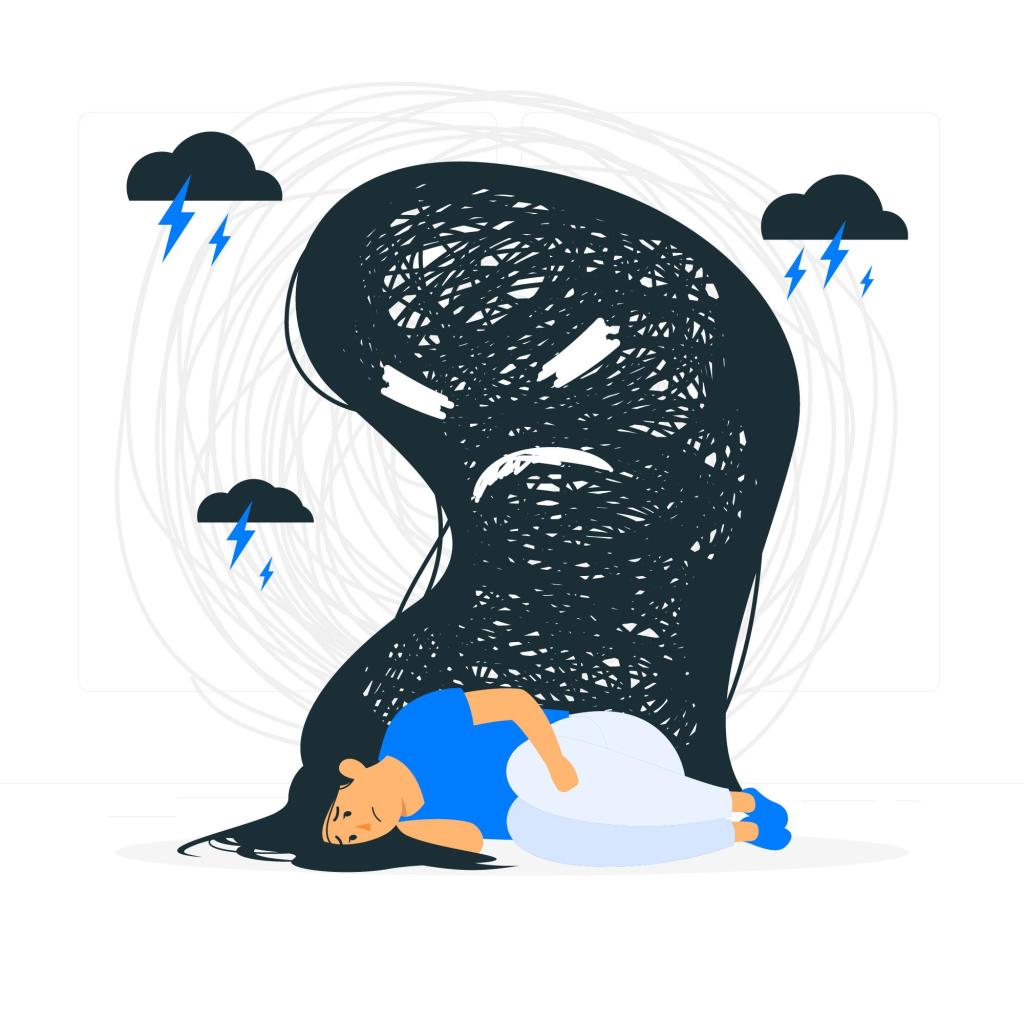
Did you learn that some or all emotions were hurtful, wrong, or undesired? As humans, we can use emotional repression as a defense mechanism. People who are repressing emotions may use other techniques that do not match their feelings. They might be confused as they might feel angry, or anxious in a situation, but don’t understand why they are feeling this way.
Repressed emotions are often connected to difficult experiences in the past, so trying to navigate it all alone can be overwhelming, wrote Andrea Darcy and Skyler King on the Harley Therapy website.
As humans, we can repress emotions that our unconscious deems undesirable. Examples include:
- Shame: when a person’s family, community or culture views certain emotions as shameful or unacceptable. A person may repress those emotions to avoid rejection or judgment.
- Emotional intensity: sometimes people feel they cannot manage the painful emotions, as they are overwhelming.
- Lack of awareness: Perhaps a person did not grow up in a home or environment that encouraged people to think about, much less express emotions as a result they did not learn how.
Anna Freud, Sigmund’s daughter, defined repression as a defense mechanism, whose goal is to protect the ego from stress. Freud theorized that the inability to outwardly express emotion would cause it to become an inwardly harmful emotion. Over the long term, a person may display unhelpful emotions or behaviors to repress unwanted emotion.
Prior to Anna Freud, her father, Sigmund, theorized that repressed emotions could later resurface through dreams, slips of the tongue known as the Freudian slip, or psychological distress. Since that time, repression has been a subject of debate among psychologists and researchers.
As humans, we use both repression and suppression to try to protect ourselves. It is interesting that people can sometimes use “repressed emotions” and “suppressed emotions” interchangeably. However, there is a key difference between repression and suppression of emotions. According to Medical News Today, the difference lies in the process. Repression is an unconscious, automatic blocking of thoughts and feelings, while suppression is a conscious and deliberate effort to avoid or hide emotions. When we feel grief, it might get expressed as anger. As another example, we may suppress our grief at work or among friends but feel the grief at home when we are alone.
Psychoanalysts believe that repressed emotions can have an impact on thoughts, behavior and our health, noted Medical News Today. Though repression is a common concept in psychology and psychoanalysis, there is little scientific research on its effects.
Repression can be a result of traumatic or distressing events. It’s a powerful defense mechanism. It acts as a psychological shield to help navigate life, without being burdened by distressing experiences, wrote Curtis. Additionally, repression can be associated with a multitude of experiences, such as traumatic events from childhood, repressed or unfulfilled desires, phobias, irrational fears, and negative self-image.
How can emotional repression show up in your life? It may mean you rarely open to others, which could be the real you are hidden away while you are making others laugh. You may have few close relationships, or you struggle with your fear of intimacy.
According to Darcy, being emotionally repressed can make life difficult, and can be connected to serious psychological issues. If you are emotionally repressed, you may hate being asked how you feel about something or someone though the question, maybe innocently asked by another. You may feel speechless, powerless, or confused.
Health writer Lindsay Curtis noted people might repress unwanted memories of past relationships, traumatic childhood experiences, taboo desires, or strong emotions that relate to negative or uncomfortable experiences.
The impact of repression on mental health could lead to a higher risk of certain mental health disorders such as anxiety, depression, post-traumatic stress disorder (PTSD), eating disorders, and substance abuse disorders.
Angelica Attard, Ph.D. gave her insight into repression. She concurred that repression emotions can lead to negative mental and physical health outcomes. It is crucial to acknowledge and process emotions for well-being and emotional balance. Like a physical wound that can fester, an accumulation of unaddressed emotions can lead to stress, anxiety, and depression. The increase in cortisol that comes with stress has an impact on our heart rates, motivation, and sleep.
“As a species, we are primed to avoid pain and suffering to ensure survival,” wrote Attard.
Varied research sources point out that those who repress emotions struggle to cope. In the short-term, individuals may use unhealthy ways of coping, like over-eating, substance abuse, or misused prescribed medications. Furthermore, repression’s impact is not just on mental health; it affects our physical well-being. Research shows that pain levels related to chronic illnesses, such as cancer or arthritis, are higher in emotionally repressed people. We may also experience:
- Muscle pain and tension
- Headaches and migraines
- Insomnia or restless sleep
- Digestive issues like stomachaches, indigestion or nausea
- Weakened immune system.
- High blood pressure or other cardiovascular issues
- Chronic Fatigue
Attard noted, as children, we internalize the messages we hear and learn that having negative emotions and acknowledging them is not a good thing. Furthermore, not having someone model how to express and cope with emotions may lead to the development of coping strategies that focus on avoiding and inhibiting negative emotions.
According to Curtis, seeking out a licensed mental health professional can help determine the best therapeutic approach for effectively addressing and healing from repressed emotions. Taking part in counseling with a trained counselor or psychotherapist can create a safe environment for you to access and process old emotions.
“Unexpressed emotions will never die. They are buried alive and will come forth later in uglier ways.”— Sigmund Freud.
Resources:
Image retrieved on 4/3/2025 from Freepik.com
Attard, Ph.D., Angelica. “Repressed Emotions: How to Stop Suppressing Emotions.” 11/4/2020. Retrieved on 3/25/2025 from https://positivepsychology.com/repress-emotions/
California Learning Resource Network (CLRN) “What is a blind spot in psychology?” 11/18/2024. Retrieved on 3/12/2025 from What is a blind spot in psychology? –
Curtis, Lindsay. “Understanding Repression in Psychology.” 9/5/2023. Retrieved on 3/25/2025 from https://www.verywellhealth.com/repression-7775455
Darcy, Andrea M. and Skyler King. “Are You Emotionally Repressed? H ow to Tell?”3/6/2023. Retrieved on 3/25/2025 from https://www.harleytherapy.co.uk/counselling/emotionally-repressed-signs.htm
Medical News Today. “Repressed Emotions: Signs and Impact”. Retrieved on 3/301/2025 from https://www.medicalnewstoday.com/articles/repressed-emotions
 Curious and Creative
Leave a comment