June 3, 2026
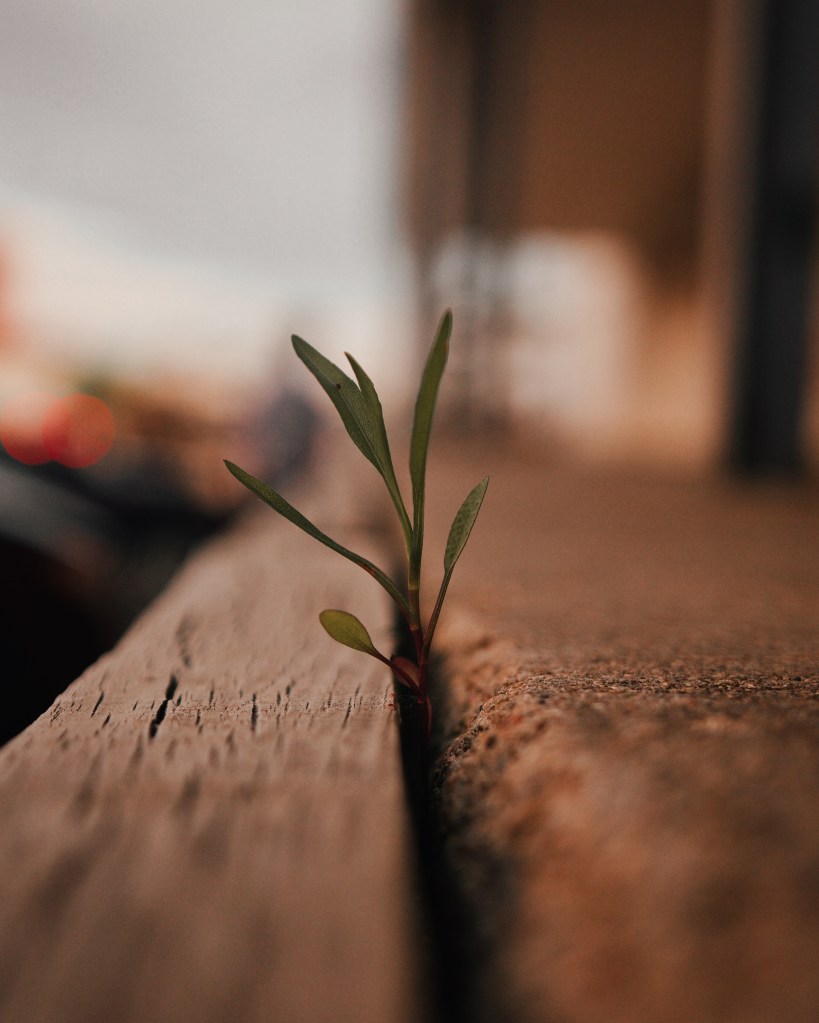
What is hope? Hope is defined as a sense of a certain future that can be achieved. In order to achieve this, individuals need to feel a sense of agency. Hope contributes to our well-being and happiness which motivates positive action.
A published study in Health Economics defines hope as the determination to make things better. According to the researchers, those individuals with high levels of hope had a higher level of well-being, education, and earning and employment outcomes.
Hope is an active approach to life, arising when there is something we want when we’ve got a clear goal in mind, wrote Polly Campbell.
Being hopeful is an active mindset that fuels our resilience, helps solve problems, and continuously moves us forward even during trying and challenging times. According to positive psychology researcher Barbara Frederickson, if we can see a glimmer of something better, then hope opens us up.
Hopeful people believe they can influence their goals, that their efforts can have a positive impact, wrote Campbell.
Active hope fuels resilience, protects mental health, and motivates the positive, everyday actions that build a meaningful and healthy life.
Many people do not fully understand what hope is and what it is not, wrote Chan Hellman, founding director of the Hope Research Center at the University of Oklahoma.
Researchers have discovered a correlation between hope and resilience. Research indicated that hope can help us manage stress and anxiety, cope with adversity.
It is common to lack hope, particularly if someone lacks hope, they will even get better wrote Amy Morin, author of 13 Things Mentally Strong People Don’t Do.
Have you ever experienced a feeling of darkness? Hopelessness and despair are like a big dark hole that is challenging to get out of. If you have struggled with depression in any form, you too may have felt that hopelessness. I know that I have. I know others that felt hopeless.
Mental Health America notes that hope does not pretend difficult things are not happening, rather it means finding ways to move forward even when things are uncertain.
Morin defines hope as a belief that you could create a positive outcome. Hope means you believe that you have the ability and power to achieve a goal
Hope is a habit that needs to be practiced, and it requires intention, wrote Tracey Nelson, leadership coach for senior executives.
Economist and author Carol Graham has become an authority on the study of well-being.
Through her findings, Graham argued that hope can improve people’s life outcomes and despair can destroy them.
Marcus Coetzee wrote that there is a dearth of hope in our society; there are a few reasons why this is occurring.
- Our minds are hardwired to focus on threats as an evolutionary adaptation.
- The media contributes to the lack of hope; and finally,
- Unethical leaders have learned to sow hatred and distrust to mobilize their followers.
Hope often becomes a self-fulfilling prophecy, wrote Morin. Additionally, when you have hope, you believe you have power to make things happen, you are more likely to act.
Hope is the opposite of dread and an antidote of despair, a feeling that all is lost, wrote Coetzee.
“Hope is a way of thinking,” wrote Hellman. Added, that hope can be taught and nurtured. Hope is about acting.
“Hope is distinct from optimism,” wrote Graham, “which is the belief that things will get better, as it is based on individuals believing that they can make things better, and reflects agency. In contrast, people without hope tend to have miserable life outcomes.”
Hope begets hope. Hope has such a significant protective factor, noted Hellman.
Graham pointed out that psychiatrists note that restoring hope is a first step to recovering from mental illness. However, there are no guidepost for doing so, wrote Graham.
Research has shown that being hopeful has a wide array of benefits:
- The less likely for you to experience depression and anxiety.
- You have stronger social support.
- You are more satisfied with life.
- Fewer chronic health problems throughout your life. I tend to live longer.
- The more productive you can be. Research has shown that hopeful employees are 14 percent more productive than their counterparts.
- Hope is a better indicator of academic achievement than I.Q.s, personality, or even prior academic achievement.
Hopeful feelings can lead to a behavior change. You can start tackling the obstacles with small steps.
“May your choices reflect your hopes, not your fears.”—Nelson Mandela
Resources:
Image by wirestock on Magnific. Image retrieved on 6/3/2026 from https://www.magnific.com/free-photo/closeup-selective-focus-shot-green-leafy-plant-sprout-from-wooden-surface_8054704.htm
Campbell, Polly. ”Why Hope Matters.” 2/5/2019. Retrieved on 6/1/2026 from https://www.psychologytoday.com/us/blog/imperfect-spirituality/201902/why-hope-matters
Coetzee, Marcus. “Be Hopeful, Not Optimistic.” 3/3/2021. Retrieved on 5/30/2026 from https://marcuscoetzee.com/be-hopeful-not-optimistic/
Graham, Carol. ”America’s Crisis of despair: A federal task force for economic recovery and societal well-being.” 2/10/2021. Retrieved on 6/1/2026 from https://www.brookings.edu/articles/americas-crisis-of-despair-a-federal-task-force-for-economic-recovery-and-societal-well-being/
Graham, Carol. The Power of Hope: How the Science of Well-Being Can Save Us from Despair. Princeton University Press. ©2023.
Graham, Carol. “Why Economists and everyone else should care about hope.” 4/13/2023. Retrieved on 6/1/2026 from https://press.princeton.edu/ideas/why-economists-and-everyone-else-should-care-about-hope
Haupt, Angela. “How to Cultivate Hope When You Don’t Have Any.” 10/30/2023. Retrieved on 5/30/2026 from https://time.com/6327444/how-to-be-more-hopeful/
Morin, Amy. 13 Things Mentally Strong People Don’t Do: Take Back Your Power, Embrace Change, Face Your Fears, and Train Your Brain for Happiness and Success. William Morrow ©2014.
Mental Health America. “Maintaining Hope in the Face of Uncertainty.” Retrieved on 5/31/2026 from https://mhanational.org/resources/maintaining-hope-in-the-face-of-uncertainty/
Nelson, Tracey. “Hope May Be the Key to Everything.” 1/29/2026. Retrieved on 6/1/2026 from https://www.momentumconsulting.com/blog/hope-resilience-well-being-leadership
Morin, Amy. “How to Develop Hope When You Feel Hopeless.” 6/25/2023. https://www.psychologytoday.com/us/blog/what-mentally-strong-people-dont-do/202306/how-to-develop-hope-when-you-feel-hopeless
Smouse, Debra. “The Art of Being Hopeful: 18 Habits of Naturally Hopeful People.” 10/8/2025. Retrieved on 5/30/2026 from https://www.yourtango.com/self/habits-naturally-hopeful-people
 Curious and Creative
Leave a comment