Building Mental Fortitude: Self-compassion (Part 2)
9/16/2026
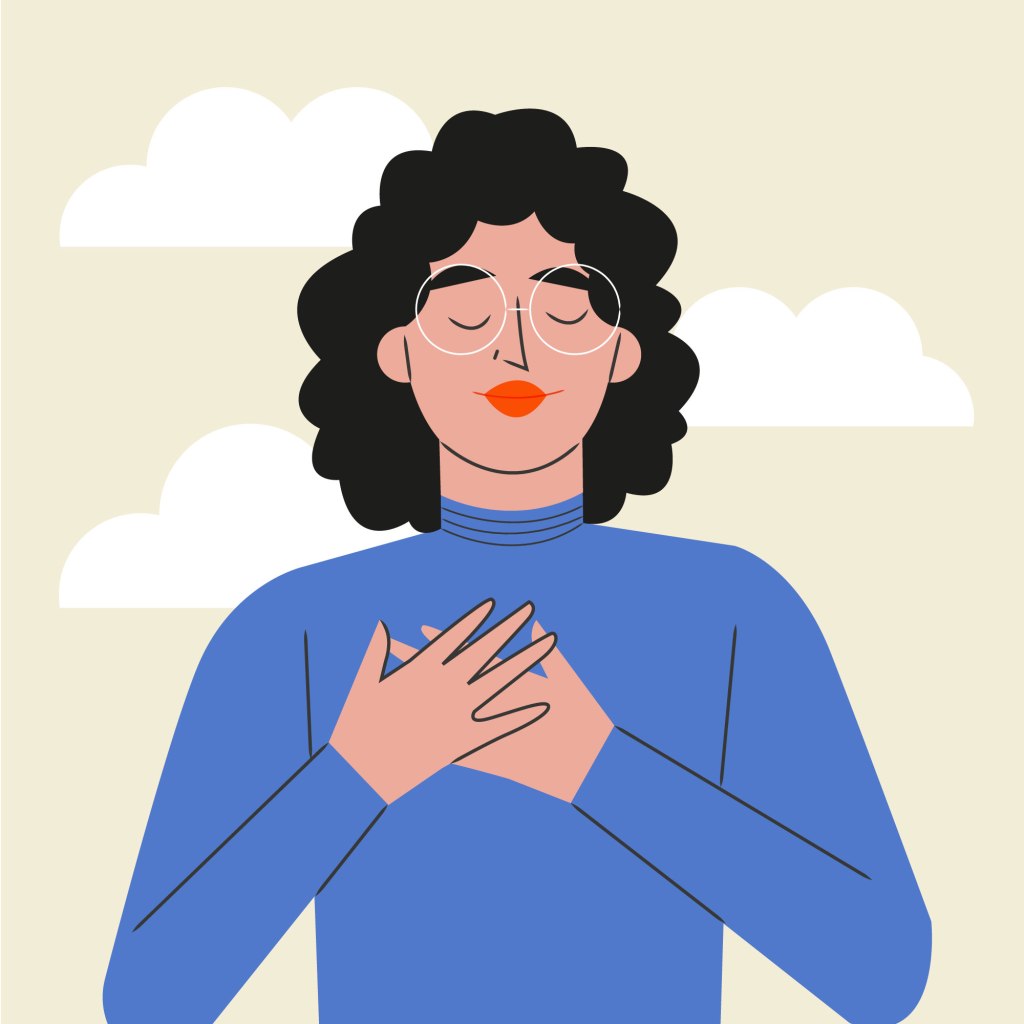
Do you replay past mistakes? Do you compare yourself to others? Do you treat your friends with more compassion than you do yourself?
I know I do. I consider myself a compassionate person, but for some darn reason, I have difficulty being compassionate towards myself. I am my own worst critic; I am my own meanest bully. If you had a bully, you know what strength that you may have is fragile. So, imagine that the bully is yourself.
According to Psychotherapist Tracy Hutchinson, it’s easy for most of us to have compassion for others. It is harder to extend that level of kindness and compassion to us. For example, many clients of her clients struggle with their “inner bully”.
Writing this blog Curious and Creative for the last 20 months has been an emotional journey. I have become a better writer and researcher. I have become more confident. I have covered a variety of topics on creativity, curiosity, mental health, wellness, leadership, etc. I have had to challenge my preconceptions and viewpoints.
The topic of compassion and kindness to self is difficult. It is not easy to be objective about this topic. As I approached and explored how one can build mental strength (also known as fortitude), I discovered one of the ways is being self-compassionate. Yet, I still struggle with being kind to myself and silencing my inner bully.
“Most of us are not particularly kind to ourselves in our minds, and that has an impact on our mental health and well-being,” wrote Erin Kerns Vazquez, Medens Health blogger.
Dr. Laura Allen stated that self-compassion is the practice of treating yourself with kindness, understanding, and acceptance during difficult times, failures or moments of personal struggle. Self-compassion encourages self-support and emotional balance.
Social worker Michelle Solomon wrote, while we may be quick to offer a friend compassion and kindness, providing this same understanding and reassurance to ourselves isn’t always as easy. If you tend to criticize your thoughts and actions and often are harsh on yourself, you are not alone. Self-criticism is often at the root of mental health challenges including anxiety, stress, and depression.
Dr. Laura Allen wrote, in today’s fast-paced world, many people have their own harshest critics. She adds, we often show kindness, patience and understanding to friends and family that are struggling, yet do not offer to ourselves, or find it difficult to do so.
Other mental health professionals have concurred.
Self-compassion is a concept popularized by psychologist and author Dr. Kristin Neff. It includes three core components: self-kindness, common humanity, and mindfulness.
By practicing these three components, you can better manage stress, negative behaviors, and foster a more balanced approach to your mental well-being, wrote Dr. Brad Benner.
According to Medens’ Health blog, self-compassion supports and improves mental health. Extensive research has shown that self-compassion significantly enhances both mental and physical health.
Self-compassion involves the desire for self-health and well-being and is associated with greater personal initiative to make needed changes in one’s life. Because self-compassionate individuals do not berate themselves when they fail, they are more able to admit mistakes, modify unproductive behaviors and take on new challenges wrote Dr. Neff.
Embracing self-compassion offers numerous benefits:
- Reduces anxiety and depression. Those who practice self-compassion develop a greater awareness of their thoughts and feelings, able to respond with kindness rather than harsh self-criticism. They experience lower levels of anxiety and depression as a result.
- Improves emotional regulation. Self-compassion calms your nervous system, as it can release oxytocin, a chemical that promotes feelings of trust, safety and calm. Eventually, it can create a more peaceful state of mind.
- Stops rumination. Self-compassion uses mindfulness to stop the endless negative self-talk loops.
- Reduces Shame and self-judgment. Many people carry deep feelings of shame or self-blame. When you replace judgment with compassion, you create room for acceptance.
- Enhances life satisfaction. When you are self-compassionate, you begin to see mistakes as opportunities for growth.
- Frees you from self-criticism, so we can engage in positive activities.
- Leads to self-forgiveness. This can enhance emotional resilience. You learn to forgive your past mistakes, start to move past them.
- Improves relationships. When you become kinder to yourself, you are more patient and understanding of others. Connecting with others also provides valuable perspectives and emotional support.
- Lessens fear of taking risks. Approach failure with curiosity rather than fear.
- Fosters resilience and openness to new experiences. You can gain confidence to explore.
According to Brenner, self-compassion is not self-pity or self-indulgence. Self-compassion can promote resilience. It can enhance your ability to take responsibility for your actions without harsh self-judgment. Then you can learn from your mistakes and grow, instead of being stuck. You can begin to cultivate a healthier relationship with yourself.
Remind yourself, be gentle, you are doing the best you can.
“Your compassion is not complete unless it includes yourself.”—Jack Kornfield
Resources:
Image retrieved
Allen, Laura. “Benefits of Self-Compassion: Why Being Kind to Yourself Can Transform Your Life.” 6/12/2026. Retrieved 9/6/2026.
Brenner, Ph.D. Brad. “Why Self-Compassion is Essential for Mental Health.” https://therapygroupdc.com/therapist-dc-blog/why-self-compassion-is-essential-for-mental-health/
Cirelli, Cheryl. “Why Self-Compassion is Essential for Mental Health Recovery.” 11/7/2025. Retrieved on 9/6/2026 from https://pavilionwp.com/why-self-compassion-is-essential-for-mental-health-recovery/
Eddin Counseling. “The Power of Self-Compassion: building Resilience and Mental wellbeing through Kindness.” Retrieved on 9/6/2026 from https://eddinscounseling.com/the-power-of-self-compassion-building-resilience-and-mental-well-being-through-kindness/
Hutchinson, Ph.D., Tracy. “Self-Compassion: The Benefits to Your Mental Health.” Retrieved on 9/6/2026 from https://www.drtracyhutchinson.com/benefits-to-self-compassion-benefits-to-your-mental-health/
Neff, Kristin D. “The Role of Self-Compassion in Development: A Healthier Way to Relate to Oneself.” Retrieved on 9/6/2026 from https://pmc.ncbi.nlm.nih.gov/articles/PMC2790748/pdf/hde0052-0211.pdf
Solomon, LCSW, Michelle. “Self-Compassion and Your Mental Health.” Retrieved on 9/6/2026 from https://www.urmc.rochester.edu/behavioral-health-partners/bhp-blog/february-2025/self-compassion-and-your-mental-health
Vazquez, Erin Kerns. “The Connection Between Self-compassion and mental health.” 6/6/2024. Retrieved on 9/8/2026 from https://www.medenshealth.com/blog/the-connection-between-self-compassion-and-mental-health
 Curious and Creative
Leave a comment