(Building Mental Fortitude: Part 4 Building Resilience)
9/30/2026
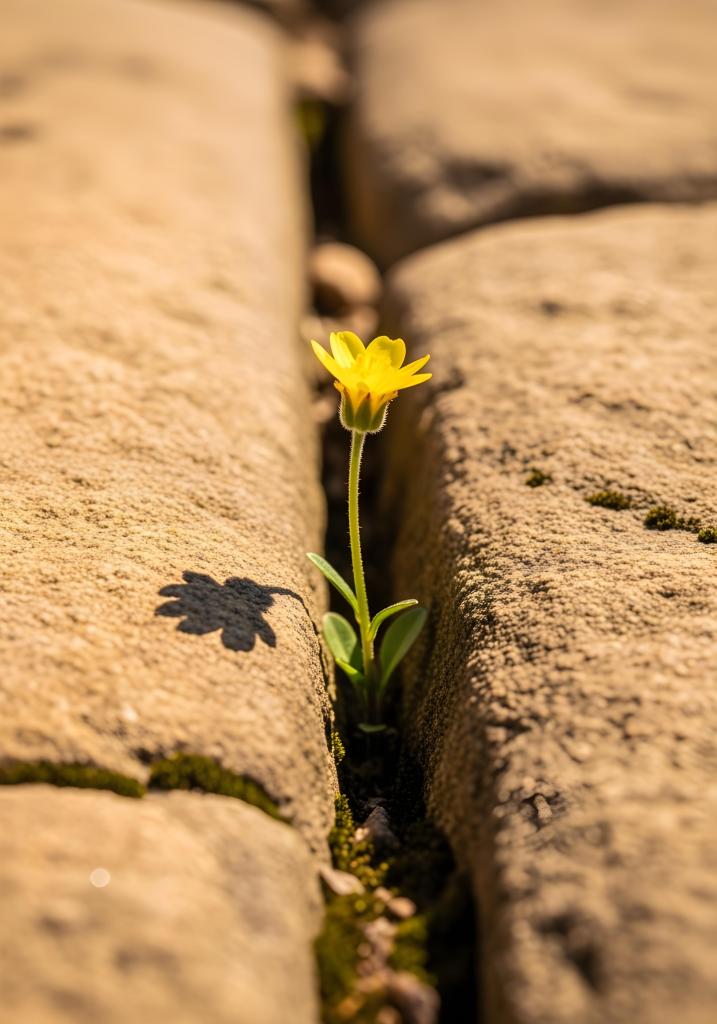
Resilience has been often described as the ability to bounce back from stressful situations or failures. Others describe resilience as bouncing forward, as being able to quickly forward despite the strong emotions that they are feeling. I have often seen others as being more resilient than myself. I get frustrated, down, and have despaired that I am not resilient. I am sure there are plenty of examples of where I have been resilient. I ruminate or recall the many times that I am not. I often get stuck in the muck of bad feelings. It is like dredging through a very deep mud trench on my hands and knees. I end up wallowing in my difficult feelings.
As I dove into the topics researching mental fortitude and resilience over the last few weeks, it has opened my eyes that I am more resilient than I have given myself credit. It can be developed and nurtured.
“Resilience is not a fixed trait; it is a set of active skills that must be practiced repeatedly,” wrote Michael Spoerri, Technology lead with twenty-five plus years experience.
According to the website, Positive Psychology, mental fortitude relies on core psychological and behavioral components that help you stay resilient, focused, and steady under pressure.
According to the editorial team at Headspace.com, mental fortitude is not about powering through. It is your ability to manage thoughts, emotions, and energy so you can stay grounded when life gets challenging.
According to the American Psychological Association, resilience is the process of adapting well in the face of adversity, trauma, tragedy, threats, or significant sources of stress — such as family and relationship problems, serious health problems, or workplace and financial stressors. It also involved profound personal growth.
“Individuals with traits like resilience and adaptability are flexible,” wrote Dr. Sacha Cohen, “and they can mold their habits and approach according to the needs. In case of failure or setback, these people do not become pessimistic; they keep their eyes on long-term goals.”
The 7 Pillars of Resilience framework is commonly rooted in European psychological frameworks, publicized by authors Micheline Rampe and Ursula Nuber:
- Realistic Optimism: Maintain a positive outlook while staying grounded in facts and practical possibilities.
- Acceptance: Acknowledge the tricky situations or stressors that you cannot change instead of fighting reality.
- Self-efficacy: Trust deeply in your own abilities to have an influence and overcome hard tasks.
- Solution orientation: Focus your energy on finding creative answers, instead of dwelling on problems.
- Personal Responsibility: Stop acting like a victim, take charge of your reactions and choices.
- Relationship building builds and maintains an active support system for friends, family, or teammates to ask for help when needed.
- Future Orientation: Look forward rather than backward. Use the present moment to shape what happens next.
According to psychologists, resilience will not make your problems go away, but it can help you see them past, find ways to enjoy life, and handle stress better. Increasing resilience takes time and intentionality; it is like building a muscle.
It’s important to note, Psychology Today pointed out the importance of locus of control: it can be internal or external. A locus of control can be internal, meaning that an individual perceives that they are in control of what happens to them. It can be external, meaning that an individual attributes all that happens to them to external factors. An internal locus of control is tied to greater resilience.
There are benefits to building your resilience:
Protect your mental health.
- Lowers stress.
- Fight anxiety and depression.
- Processes heavy emotions
Drives personal growth and success.
- Help you bounce forward.
- Build critical thinking skills.
- Restores control.
Strengthens Relationships
- Encourages support-Knows when to reach out and lean on others.
- Deepens connections-builds empathy and stronger social bonds.
Here are some ways that you cultivate a resilience practice according to Karolyn A Gazella, natural health writer and founder of the Natural Medicine Journal:
- Release regret. When you hold onto regret, it is hard to naturally look forward to the future.
- Garner gratitude. Express gratitude consistently. Gratitude is powerful.
- Move more. Exercise is a wonderful way to become more resilient.
- Encourage optimism. A positive outlook can focus on your strengths, successes, and achievements.
- Laugh more. Laughter has been shown to decrease stress hormones like cortisol.
- Develop a growth mindset. Embrace challenges as growth opportunities rather than obstacles.
- Build social support. Invest time in nurturing connections with others.
- Practice self-care. Prioritize activities that promote physical, mental, and emotional well-being-like exercise, healthy eating, adequate sleep, and mindfulness exercises.
- Embrace flexibility and adaptability. Change is part of life. If change is negative reframe it in a more positive light.
Specific resilience-building skills can be learned. These include breaking out of negative thought cycles, pushing back against catastrophizing, and looking for upsides when faced with setbacks according to Psychology Today’s website.
I found this great quote, “Life Will Always Throw You Curve Balls – It’s Your Job to Swing the Bat.” –Sharon Purtill
Resources:
Image by magnific .Image retrieved on 9/30/2026 from https://www.magnific.com/free-ai-image/yellow-flower-growing-through-stone_419530029.htm
American Psychological Association. “Building Y our Resilience.” 1/1/2012. (Updated in 2020) Retrieved on 9/27/2026 from https://www.apa.org/topics/resilience/building-your-resilience
BetterHelp.com. “11 Reasons to Develop Greater Emotional Resilience.” 4/15/2026. Retrieved on 9/27/2026 from https://www.betterhelp.com/advice/self-esteem/12-reasons-for-developing-greater-emotional-resilience/
Clear, James. “The Science of Developing Mental Toughness.” 2/11/2019. Retrieved on 9/27/2026 from https://medium.com/mind-cafe/the-science-of-developing-mental-toughness-in-your-health-work-and-life-2f445e553833
Cohen, Sacha. “Mental Fortitude: Building Resilience, Strength, and Emotional Stability.” 4/14/2026. Retrieved on 9/27/2026 from https://www.midcitiespsychiatry.com/blog/mental-fortitude/
Gazella, Karolyn A. “The Health Benefits of Resilience-and How to Cultivate More of it.” 5/13/2024. Retrieved on 9/27/2026 from https://www.psychologytoday.com/us/blog/the-healing-factor/202405/the-health-benefits-of-resilience-and-how-to-cultivate-more-of-it
Headspace.com Editorial Team. “Building Mental Fortitude: 5 Ways to Strengthen Your Mind.” 3/29/2022. Retrieved on 9/27/2026 from https://www.headspace.com/articles/mental-toughness
Mayo Clinic Staff. “Resilience: Build Skills to Endure Hardship.” 12/23/2023. Retrieved on 9/27/2026 from https://www.mayoclinic.org/tests-procedures/resilience-training/in-depth/resilience/art-20046311
Metafox. “Building Resilience Through the 7 Pillars of Resilience: A Guide to Using ‘Building Resilience’ Cards in Coaching.” Retrieved on 9/27/2026 from https://metafox.eu/en-us/blogs/methods/building-resilience-through-the-7-pillars-of-resilience
Psychology Today. “Resilience.” Retrieved on 9/29/2026 from https://www.psychologytoday.com/us/basics/resilience
Spoerri, Michael.” Unlearning Success: A Hard Day and the 7 Pillars of Resilience.” 12/2/2025. Retrieved on 9/27/2026 from https://www.linkedin.com/pulse/unlearning-success-hard-day-7-pillars-resilience-michael-spoerri-6ey0e/
The Summit Counseling Center. “Why Building Resilience is so Important.” 1/16/2024. Retrieved on 9/27/2026 from https://summitcounseling.org/why-building-resilience-is-so-important/


Leave a comment