November 19, 2026
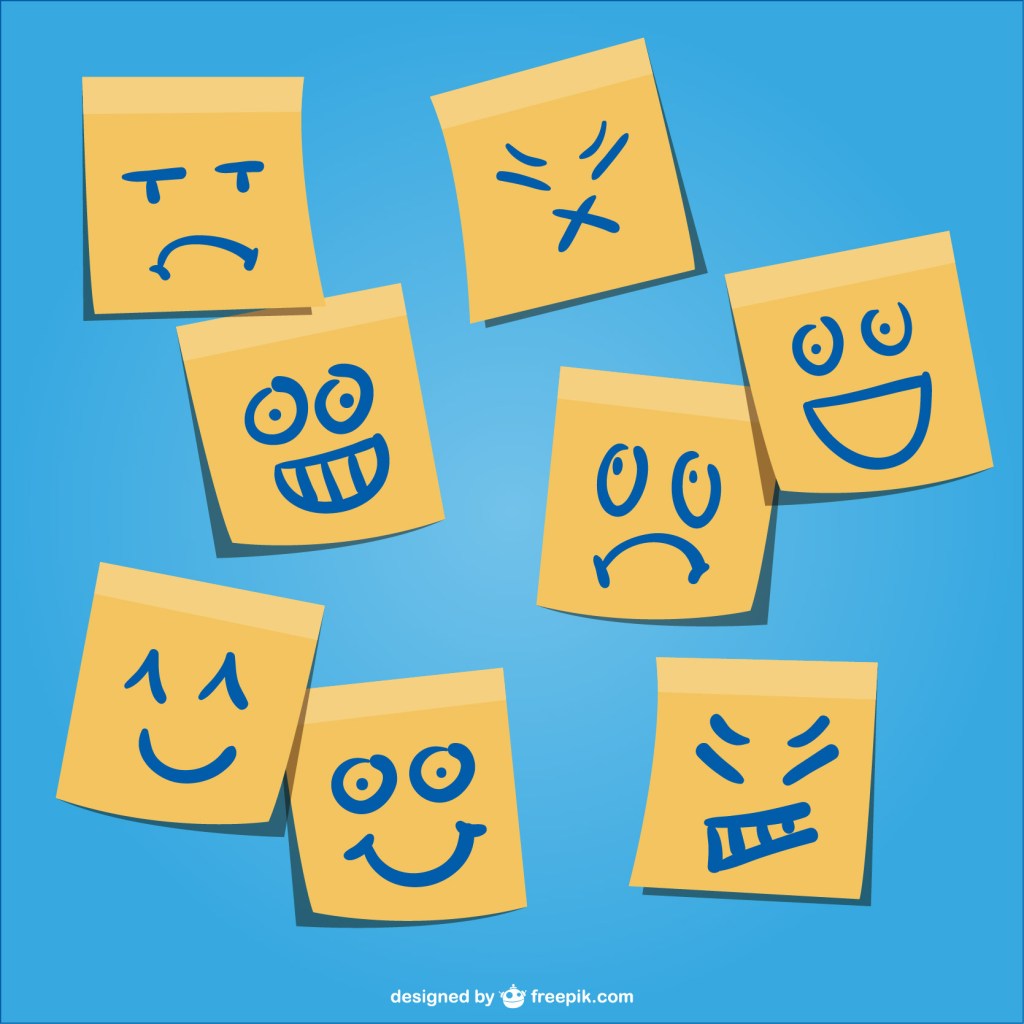
What are feelings? According to Psychology Today, both emotional experiences and physical sensations such as hunger or pain-bring about feelings. Feeling is a conscious, subjective experience of a physical sensation, emotion, or attitude. Feelings happen in the mind. They are subjective and personal. Feelings are shaped by your thoughts, past memories, beliefs, and life story.
We all have feelings. Some can be soft; others maybe felt intensely. There are some feelings we can sit quietly with, then others just may overwhelm us, as we have been hit by a bulldozer.
“Put on your ‘big kid’ pants,” “Don’t get emotional,” or “Man up.” You might have heard these words in our lifetime, you may have experienced familial or societal pressures while growing up to shut down our emotions and bury our feelings because those around you were not comfortable or taught not to show emotions and feelings.
“Many of us grew up in environments where emotions weren’t openly discussed or validated,” wrote Melissa Tilhin for Central Valley Therapy’s website. “You might have heard phrases like ‘Don’t cry,’ ‘You’re overreacting,’ or ‘Be strong,’ which unintentionally taught you to suppress or ignore your emotional states.”
According to Mental Health America, terms or phrases such as these are outdated and harmful. We all have emotions and feelings; it is part of being human. It may not always be appropriate to process your emotions at the very moment you are feeling them yet try to do so as soon as you can.
Don’t ignore how you’re feeling. Psychologists state that, when we try push feelings aside without addressing them, they build in strength and make us more likely to explode at some point in the future.
“…Feelings are the meaning that we make of emotions,” said Matt Landsiedel, blogger.
Did you know that the English language has over three thousand words for emotions? I did not know that, either.
Describing a feeling and naming the specific emotion goes beyond naming it as “good” or “bad.” Psychologists call this precision as emotional granularity, which helps you understand what is happening inside you, what maybe driving you internally. It can also help you choose a helpful response.
Feelings follow emotions. Feelings are longer lasting than raw emotions because your thoughts and mental loops can keep re-triggering or extending them. Thoughts, feelings, and behaviors are deeply interconnected in a continuous feedback loop where how you interpret a situation shapes your emotion states and drives your actions.
Here are some suggestions from mental health professionals:
- Allow yourself to feel. Validate that feeling; even if it uncomfortable or unexpected.
- Pause and tune into it. Ask what am I feeling right now?
- Don’t ignore the feeling. Consider the strength of your feelings. How intense are they?
- Build your emotional vocabulary. Use specific words to describe how you are feeling.
- Notice any triggers. What happened before I felt this way?
- Talk out your feelings with someone you trust.
- Create check-in moments for yourself daily.
- Try journaling. Write down at least three feelings that you had over the day.
- See a mental health professional who can help you sort out your feelings and understand them better.
“People who regulate emotions well don’t avoid feelings — they build habits that help them pause, process, and respond with intention,” noted Therapy in a Nutshell.
Roberta Satow, Psychology Today columnist noted, “many people take undue responsibility for their emotions, as though feelings were behaviors. Often there is a stated or implied should: “I should feel this, not that.”
Satow noted that we cannot choose our feelings, but we can make choices about our behavior.” Learning the distinction between feeling and action (behavior) is an important part of being a stable adult and is a central part of psychotherapeutic work, added Satow.
My next blog will focus on behaviors and how behaviors impact feelings, and how feelings influence our actions and responses.
Resources:
Image by magnific retrieved on 11/5/2026 from https://www.magnific.com/free-vector/yellow-post-it-with-emotion-faces_717323.htm
Britannica Dictionary, the. Retrieved on 11/19/2026 from https://www.britannica.com/dictionary/eb/3000-words/topic/emotions-vocabulary-english
Buggy, Patrick. “Feelings Follow Behavior: The Key to Unlocking New Habits.” Retrieved on 11/7/2026 from https://mindfulambition.net/feelings-follow-behavior/
Cognilead. Camilla. video. “Mastering Your Thoughts, Feelings, and Behaviors: Understanding the Cognitive Model.” 3/10/2023. Retrieved on 11/16/2026 from https://counseling.online.wfu.edu/blog/difference-feelings-emotions
Hall, MSW RSW, Katherine. “Understanding the Thoughts-Feelings-Behaviors Connection.” 12/23/20218. Retrieved on 11/7/2026 from https://www.ktherapy.ca/blog/2018/12/19/thoughts-and-reactions
Hook, Joshua.” Thoughts, Feelings, and Behaviors: It’s All Connected.” 8/23/2015. Retrieved on 11/7/2026 from https://joshuanhook.com/2015/08/23/thoughts-feelings-and-behaviors-its-all-connected/
Landsiedel, Matt. Video What is the difference between emotions and feelings.” Retrieved on 11/16/2026 from https://www.youtube.com/shorts/AV4tEpF7gho
Mental Health America. “Owning Your Feelings.” Retrieved on 11/19/2026 from https://mhanational.org/resources/owning-your-feelings/
Mindwell Psychology NYC clinical team. “The Ultimate Guide to Understanding Your Feelings & Emotions in 2022.” Updated on 10/21/2026. Retrieved on 11/19/2026 from https://mindwellnyc.com/the-ultimate-guide-to-understanding-your-feelings-emotions-for-2022/
Satow, Ph.D, Roberta. “Feelings vs. Actions: A Personal Perspective: You can decide how to behave.” 3/26/2022. Retrieved on 11/7/2026 from https://www.psychologytoday.com/us/blog/life-after-50/202203/feelings-vs-actions
Therapy in a Nutshell. Video. “4 Essential Habits for Emotional Regulation” Therapy in a Nutshell. 6/25/2026. Retrieved on 11/7/2026 from https://www.youtube.com/watch?v=AyP4wujnb0g
Tihin, Melissa.”Identifying Your Emotions: Taking the First Step.” 5/20/2025. Retrieved on 11/19/2026 from https://centralvalleyfamilytherapy.com/identifying-your-emotions-taking-the-first-step/
Wake Forest University. “The Difference Between Feelings and Emotions.” 7/13/2020. Retrieved on 11/16/2026 from https://counseling.online.wfu.edu/blog/difference-feelings-emotions


Leave a Reply