July 14, 2026
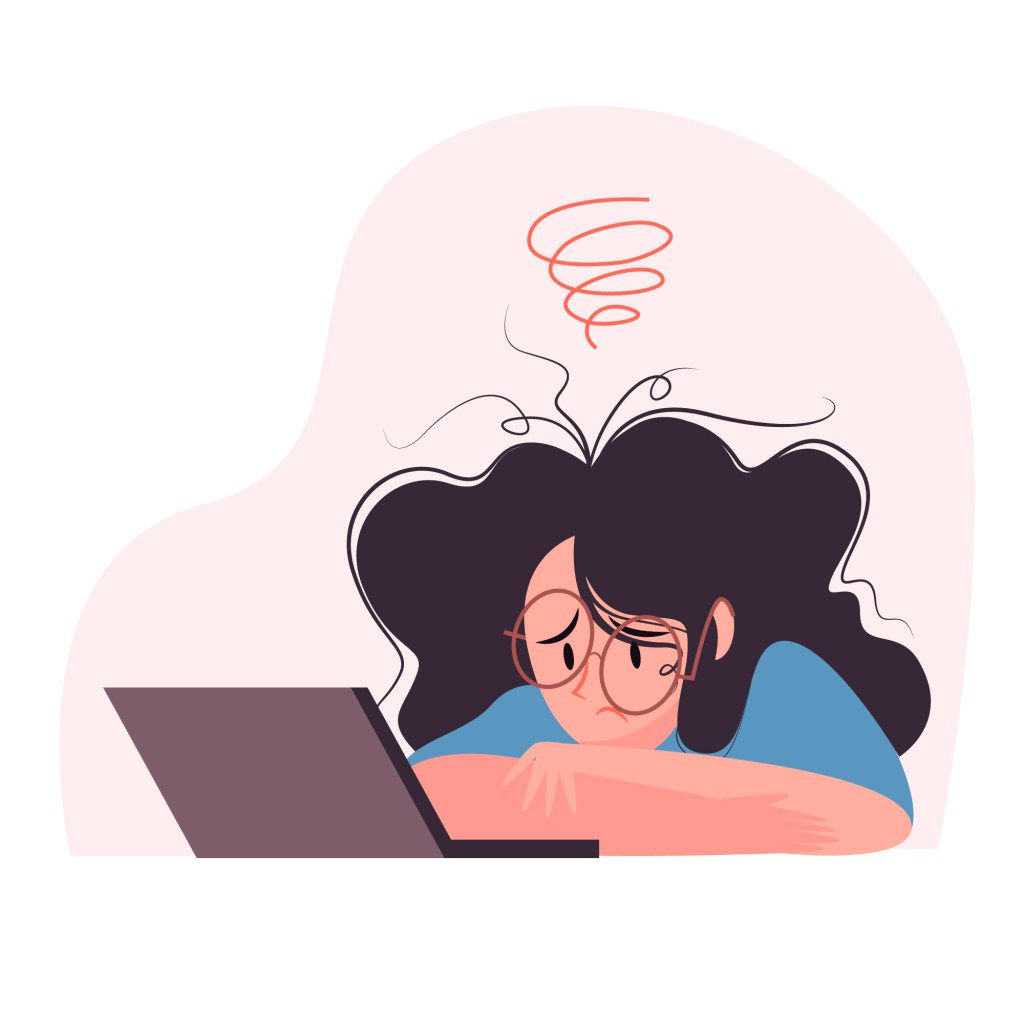
Are you tempted to distract yourself from anxiety or other uncomfortable emotions? Many of us are. There is no running away from discomfort or pain forever, sooner or later after distractions or hiding from it, discomfort returns, perhaps even more intensely.
Over the years, I have been an emotional eater. I would use my favorite foods as comfort to avoid the tense and discomfort of situations and the anxiety that often followed. Along with the roller coaster of emotions, my weight went up and down as well.
“The uncomfortable feeling arises, anxiety, sadness, loneliness, boredom,” wrote Tharindi Perera, “and immediately, you reach for your phone, open the fridge, start scrolling, plan your schedule, or find any distraction available. We’ve become experts at avoiding discomfort, filling every quiet moment with stimulation that prevents feeling anything difficult.”
There are costs to constant avoidance of difficult emotions.
- Staying stuck in unhealthy patterns
- Struggling to set or hold boundaries.
- Reacting impulsively instead of responding thoughtfully.
- Missing out on growth because it feels too uncomfortable. Discomfort is not the problem. It is our reaction to it is.
Experts have said that if your discomfort is emotional, like sitting with a hard feeling or stress, you can practice distress intolerance by breathing deeply, identifying and naming the feeling, and observing the sensations in your body without immediate judgment.
“Most of us were never taught how to sit with discomfort.” wrote Thom Hartmann. “Instead, we’ve been taught by our culture, and mostly by our media, how to escape it,” adding, if something feels bad, make it stop. Don’t linger, listen, or ask what that discomfort might be trying to tell us.
Sitting with discomfort is an underrated skill, according to the staff at New Leaf, adding, that a lot of us have navigated life so far by coping in other ways, like distractions, avoidance, substances, and more.
Experts at Psychology Today stated that many of us struggle with understanding exactly what we are experiencing. We may not even have the words to express it effectively, nor know what to do with such big emotions.
“Our modern life is engineered to make flight from discomfort effortless,” wrote Hartmann.
There are three benefits to sitting with discomfort.
- Greater self-understanding.
- Greater self-regulation.
- Greater resilience.
Mental health experts explain that by sitting in discomfort, you will obtain greater self-understanding. It may feel weird and possibly scary as you are acknowledging your emotions and feelings at that moment. It will give you a different perspective. It can be eye-opening and learn the ability to connect the dots with your emotions and how it impacts you. Once you gain greater understanding, you can gain a greater sense of self-regulation.
Start small with manageable discomfort not overwhelming distress. You can build tolerance as it is like physical training. Eventually, if you practice sitting in discomfort, you can move through intense emotions like worthlessness, anger, jealousy and more in healthy and productive ways.
Here are some tips to learn how to sit with discomfort.
- Drop the struggle. Do not push the feeling away. Recognize the anxiety that you feel. Our brain’s natural response is to fight the struggle.
- Locate the sensation. Where do you feel the anxiety in your body? Observe this feeling with curiosity does not fear.
- Use physical grounding. Notice your feet on the floor, your body in the chair, and your breath moving.
- Start with short periods of time: two minutes, five minutes, or ten minutes. Knowing when there is endpoint for sitting with your discomfort can reduce fear.
- Breathe into it. Inhale for four seconds, hold breath for four seconds, exhale for four seconds.
- Adopt an accepting mindset. Discomfort is not dangerous. Practice nonjudgmental awareness, let the wave of anxiety pass.
“Sitting with discomfort is a powerful practice that fosters personal growth,” said Dr. Donna Novak. “Emotional regulation, resilience, and empathy. It challenges us to face our fears, embrace vulnerability, and engage with our feelings and sensations mindfully.”
“Be present in the moment, even if the moment is unpleasant.”—Sharon Salzberg.


Leave a Reply